Autism, Vaccines, and the Return of Discredited ScienceWhy We Must Speak Out Against the McCullough Report
Every few years, someone tries to resurrect the ghost of a myth that should have stayed buried: The claim that vaccines cause autism. This time, it’s dressed in new clothes, the McCullough Foundation Report (2025), a document authored by prominent figures in the American anti-vaccine movement, including Peter McCullough and Andrew Wakefield. Both lost their medical licences for serious professional misconduct and data fabrication. Yet, here they are again, re-entering the public arena with political backing and a veneer of scientific legitimacy. Behind the polished language lies an agenda: to pathologise autism, to frame Autistic people as damaged, and to exploit parental fear for ideological and financial gain. The document misuses correlation, cherry-picks data, and relies on unverified anecdotes from vaccine-denialist sources such as Children’s Health Defense. It’s not science. It’s storytelling masquerading as evidence. The truth is simple and unwavering: Vaccines do not cause autism. Autism is a natural part of human diversity, not a tragedy, not an injury, and not something to prevent. DGH Neurodivergent Consultancy and Autistic Inclusive Meets have released a joint formal statement critically analysing the report’s scientific and ethical failures. We invite you to read it, share it widely, and add your name in solidarity. Every signature helps reclaim our narrative from those who weaponise pseudoscience against us. 📄 Read the full statement: Formal Statement Against the McCullough Foundation Report (PDF) ✍️ Sign in support: When misinformation thrives, it harms everyone; especially the communities it claims to protect. Truth needs voices, not silence. Stand with us. You're currently a free subscriber to David Gray-Hammond. For the full experience, upgrade your subscription.
|
Friday, 31 October 2025
Autism, Vaccines, and the Return of Discredited Science



Academic Mixtape 35

|
|


RuthAnne Visnauskas: The Absent Landlord
RuthAnne Visnauskas: The Absent LandlordA city’s quiet bureaucrat and the slow, polite disappearance of affordability.
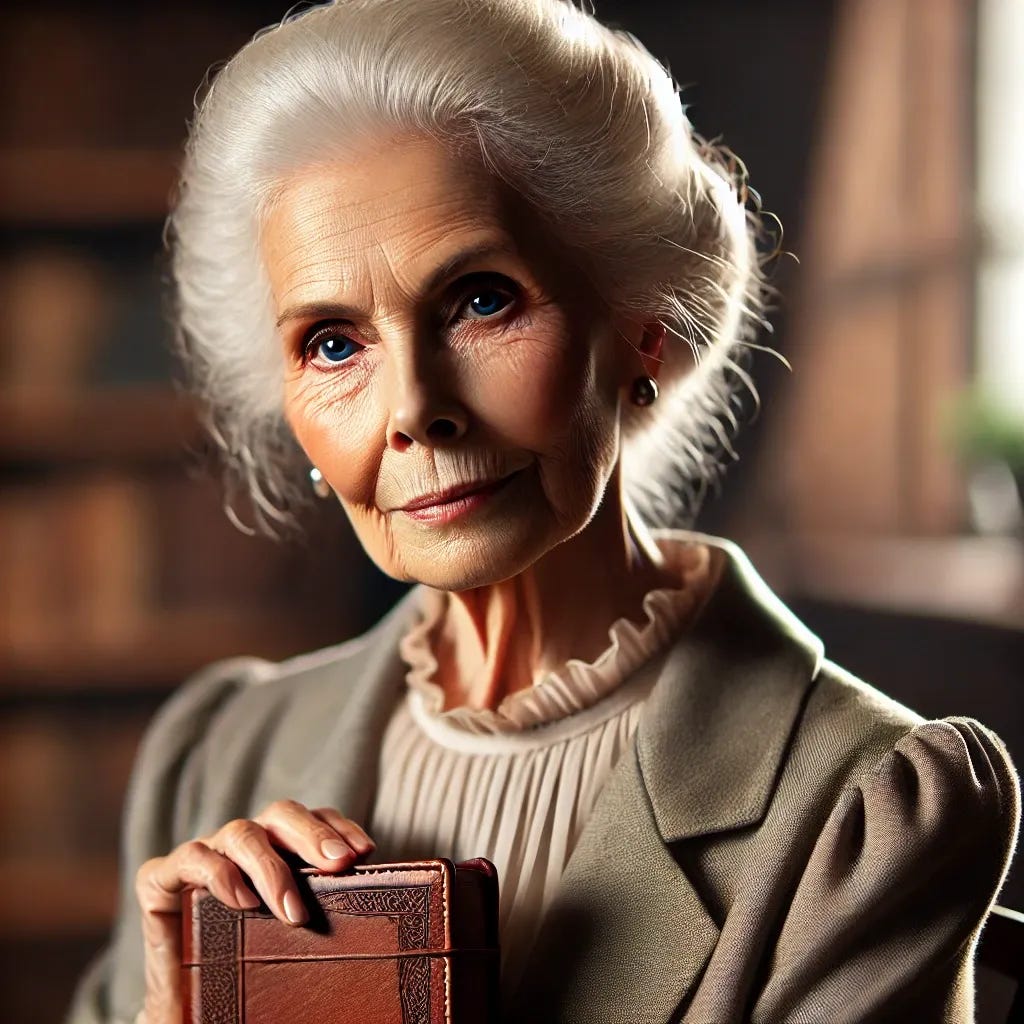
RuthAnne Visnauskas runs the state’s housing machine—a quiet empire of acronyms: HCR, DHCR, SONYMA. She is the Commissioner, the CEO, the keeper of the word affordable in a city that now treats it like a collector’s item. On paper, she builds and preserves homes for working families. In practice, she governs distance—her name on the letterhead, her deputies on the livestream, her silence in the rooms that shape our rent. I don’t doubt her sincerity. She believes in policy the way some believe in ritual: repetition as faith. Her achievements are measurable—thousands of units financed, audits answered, budgets balanced—and yet the middle class she was meant to protect has turned into an endangered species. If she’s the architect, the blueprints were drawn on melting ice.
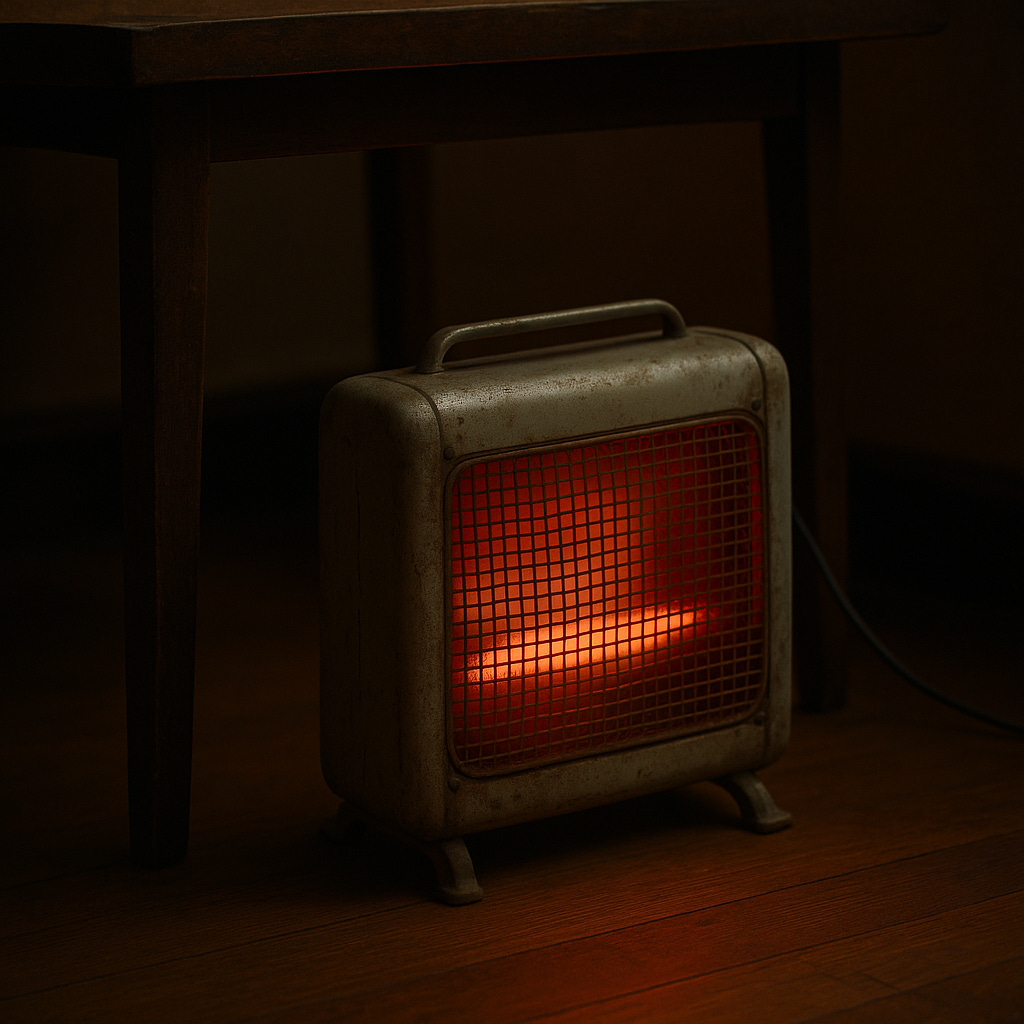
I turn on my small heater and watch it blink awake, a mechanical mercy. The building’s heat is out again. The management company—another acronym that never calls back—promised repairs before Thanksgiving. It’s October now, and my fingers have learned to type in mittens. I tell myself not to worry about the new electric rates. I am frail enough to need warmth but proud enough to resent it. From my window, the old electric plant stares back at me. Once it powered a city. Now it powers nostalgia. The sky above it leaks a tired gray light, the kind that never warms. I remember sitting on the bench that used to face it—the one David and I favored before they took it away. He said the young men were smoking there again, as if that explained anything. These days he’s busy authorizing vendors to sell flowers and pills from the old doctor’s office. Roosevelt Island, forever tidy in its moral disarray. I stare at the empty space where the bench was and begin to imagine—because dreaming feels indulgent now. In my mind, David is at a table again, surrounded by the city’s polite custodians of decline. RuthAnne sits beside him, soft-spoken, precise. They talk about revitalization and community benefits, words that sound harmless until you realize they’ve been hollowed out by use. A red-haired woman applauds every sentence. No one notices the floor tilting beneath them. I watch from the doorway, invisible as the people they represent. Every smile is gentle; every gesture sells a future. Somewhere, the word affordable dissolves in the room like sugar in hot tea. The radiator coughs once and dies. I switch the space heater back on. The red light winks—faithful, humming, like a witness who has seen this before. Maybe it was never stolen. Maybe we all traded it away, one policy, one rent increase, one quiet nod at a time. *This is a work of narrative storytelling inspired by real events. Some characters, dialogue, and scenes are imagined to convey broader truths and do not depict actual conversations or individuals. Subscribe now, before your rent goes up just for reading.
Subscribe for free to receive updates on new posts and support our work.
|


A Quick Update On A Free Way To Support Our Work
Earn NeuroHub Free Donations While You Shop! ͏ ͏ ͏ ͏ ͏ ͏ ͏ ͏ ͏ ͏ ͏ ͏ ͏ ͏ ...
-
Dear Reader, To read this week's post, click here: https://teachingtenets.wordpress.com/2025/07/02/aphorism-24-take-care-of-your-teach...
-
CALL FOR APPLICATIONS: AOM 2025 PDW ͏ ͏ ͏ ͏ ͏ ͏ ͏ ͏ ͏ ͏ ͏ ͏ ͏ ͏ ͏ ...

