As per International Energy Agency, by 2050, air conditioning services (A/Cs) are set to contribute 18% of the world's CO2 emissions. Cosysense is a startup on a mission to reduce energy bills and CO2 emissions by 15% with zero investment.
"Workplaces' tight budgets, buildings' growing emission restrictions, and electricity prices soaring 80% in the EU/UK mean the problem matters now. Cosysense uses AI and sensors to make commercial buildings' air conditioning smart. Our plug-and-play solution boosts occupants' comfort to cut utility costs and quantify emissions," says Matias Acosta, CEO of Cosysense, part of the Better Futures Retrofit Accelerator's first cohort. Cosysense is joined by ten other high-potential innovative climate tech SMEs and businesses. Their goal is to use their innovations to significantly reduce greenhouse gas emissions within London's built environment.
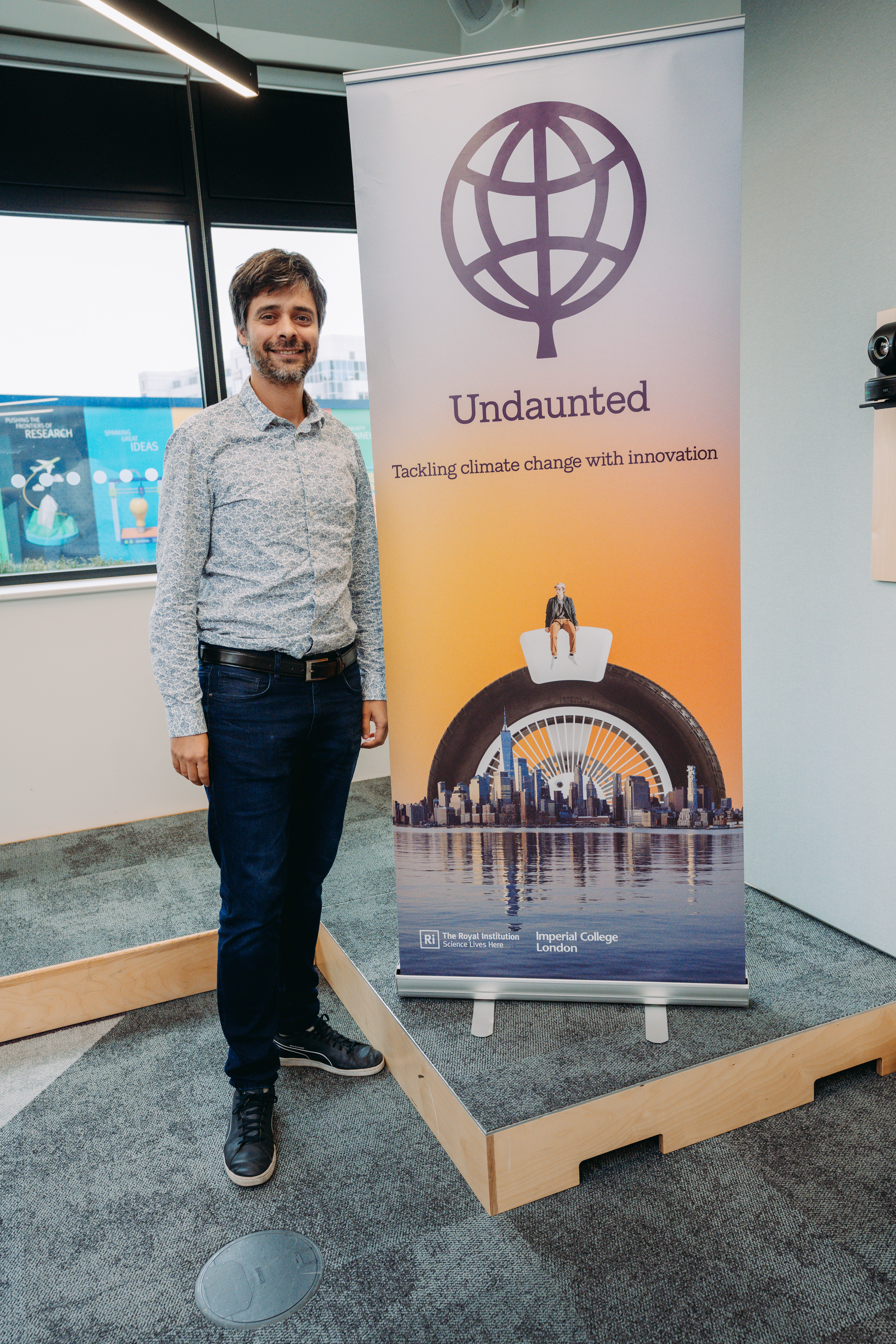
Matias Acosta, CEO, Cosysense at the Better Futures Retrofit Accelerator's Challenge Identification Workshop. Photo by Velvet Green Media
Building impact and energy efficiency
Cosysense believes in creating impact from day one of installation: "We reduce the electrical Heating, Venting and Air Conditioning (HVAC) power consumed to make a space more comfortable. Comfort management supports high-level comfort to the occupant in the individual indoor environment, using the optimal power consumption to run home appliances." The team's mission aligns to meet the Sustainable Development Goal (SDG) Target 7.3, which is to double the global rate of improvement in energy efficiency by 2030.
Cosysense's Minimum Viable Product (MVP) is measuring energy efficiency increase in kilowatt hour (kWh) in real time, which is a way to measure energy in the home and equates to the amount of energy it takes to run a 1,000 watt (or 1kWh) appliance for one hour.
Matias also reflects on how integral it is to take a gender-balanced approach when building the efficient ecosystem of the future and creating solutions in the built environment, "While our largest impact is on energy and climate, female thermal discomfort is largely ignored in the demand for gender workplace equality which helps to meet the SDG target 5.1. Today, we can estimate the number of females/males in comfort from occupancy data. We want to quantify gender-disaggregated comfort in the future."
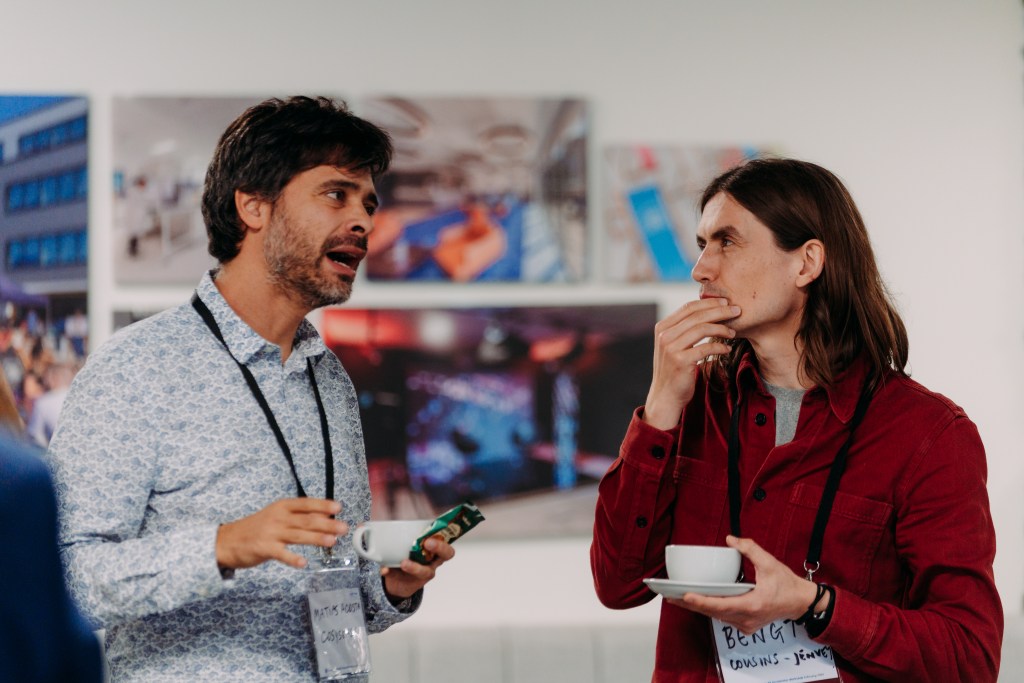
Matias Acosta, CEO, Cosysense at the Better Futures Retrofit Accelerator's Challenge Identification Workshop. Photo by Velvet Green Media.
Startups from diverse and underrepresented communities need a cohesive ecosystem to help overcome barriers to enter the market. Matias acknowledges this challenge: "I am from Latin America and recognise the hardships of people with underprivileged backgrounds breaking into the market to reach a viable profit-making MVP. Not everyone has the economic resources or a safety network (i.e., I can move to my parents or my partner if all fails), or even access to a professional network (i.e., I got a scholarship for a PhD and then a fellowship at Cambridge for doing research there) to overcome those barriers and make an impact in the sector."
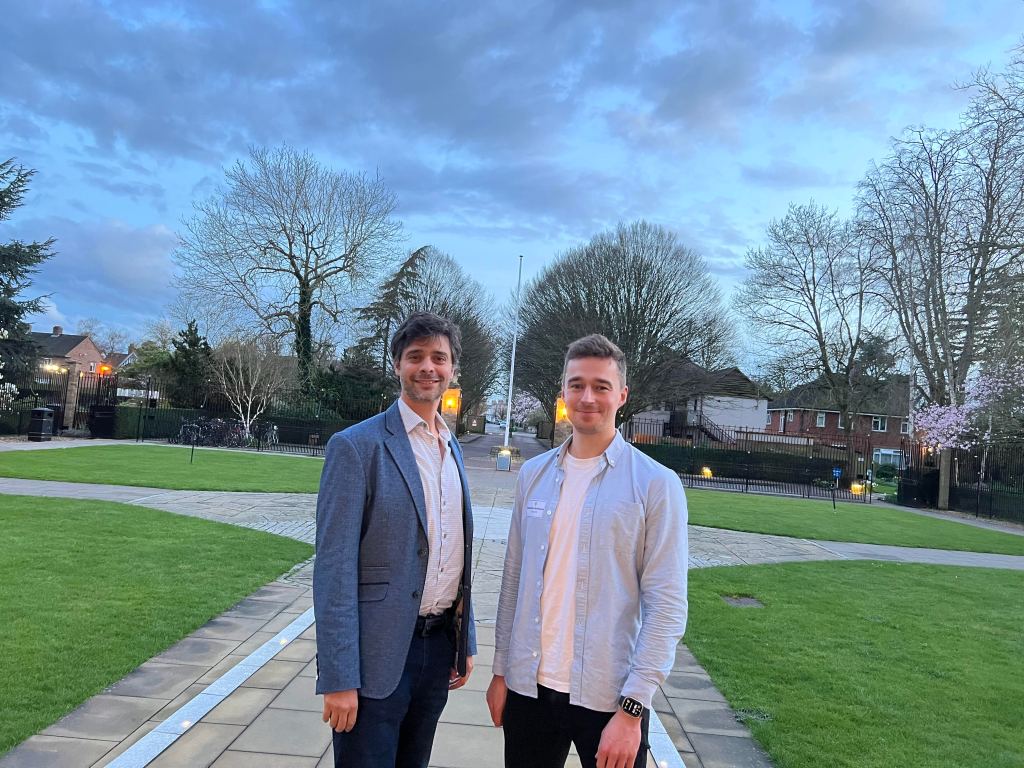
Matias Acosta with co-founder Dr Sebastian Horstmann from Cosysense.
Follow Cosysense on LinkedIn here
The Cosysense team has plans to leverage big data and to explore how it can help us to upgrade infrastructure to meet the needs of our future generations. Matias is also keen to learn how better use of data to make the built environment more sustainable and resource-effective. The goal is to ultimately to increase adoption of clean and environmentally sound technologies and industrial processes. Eager to expand their model, Matias observes: "In the future, we will include the real-time energy mix of the grid into our AI model to reduce emissions further. This is how we quantify emissions reductions in kgCO2e (exchange rate of other greenhouse gases to carbon) in real-time with our current MVP that helps us meet the SDG target 13.2."
Matias is excited for what's in store: "Getting networking opportunities and introductions to communal commercial spaces like co-working spaces – including Imperial College communal spaces - to deploy our current and most advanced MVPs for testing and creating case study reports would be critical because it is the most successful way to create trust to find new clients we found so far."
The Better Futures Retrofit Accelerator supports startups like Cosysense to scale up and develop their technology via a programme of mentorship from key stakeholders in London's retrofit market.
Follow updates of the programme on LinkedIn here
Powered by Imperial College London, via Undaunted and Enterprise, the Better Futures Retrofit Accelerator is part of the Greater London Authority's Better Futures programme, co-funded by the UK government through the UK Shared Prosperity Fund.
Sign up to our newsletter to stay up-to-date with Undaunted's programmes and events.
Undaunted is a partnership between Imperial's Grantham Institute – Climate Change and the Environment and The Royal Institution





No comments:
Post a Comment