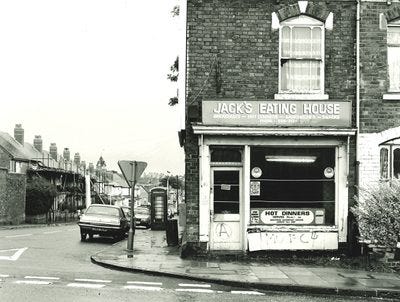
Sometimes I get a bit weak in the knees when I see the super-original ways in which people are using history and historical methods to do fantastic research. Below is one such example from my home city, which a former colleague kindly pointed out to me. This is reposted from Birmingham Museums. New report reveals how oral histories can help to promote healthier eating and tackle food inequality in Birmingham
Birmingham Museums Trust has published a new report that reveals how community food stories and museum collections can be powerful tools for promoting healthier eating and tackling food inequalities in the city. Using Oral Histories: A Methodology for Public Health Advocacy by Sophie Beckett, public health research officer at Birmingham Museums Trust, demonstrates how oral histories can capture lived experiences around food, improve food literacy and help to create more relevant, inclusive approaches to health promotion. Key findings in the report show that:
To read more, click here. You're currently a free subscriber to Organizational History Network. For the full experience, upgrade your subscription.
|
Wednesday, 29 October 2025
Oral history and Birmingham food inequality





Subscribe to:
Post Comments (Atom)
The 'Hear Her' Training workshop is back!
We will be running an online training workshop in March for women who want to learn more about running for election ...

-
Dear Reader, To read this week's post, click here: https://teachingtenets.wordpress.com/2025/07/02/aphorism-24-take-care-of-your-teach...
-
A slightly unconventional guide to your first time ͏ ͏ ͏ ͏ ͏ ͏ ͏ ͏ ͏ ͏ ͏ ͏ ͏ ͏ ͏ ...


No comments:
Post a Comment