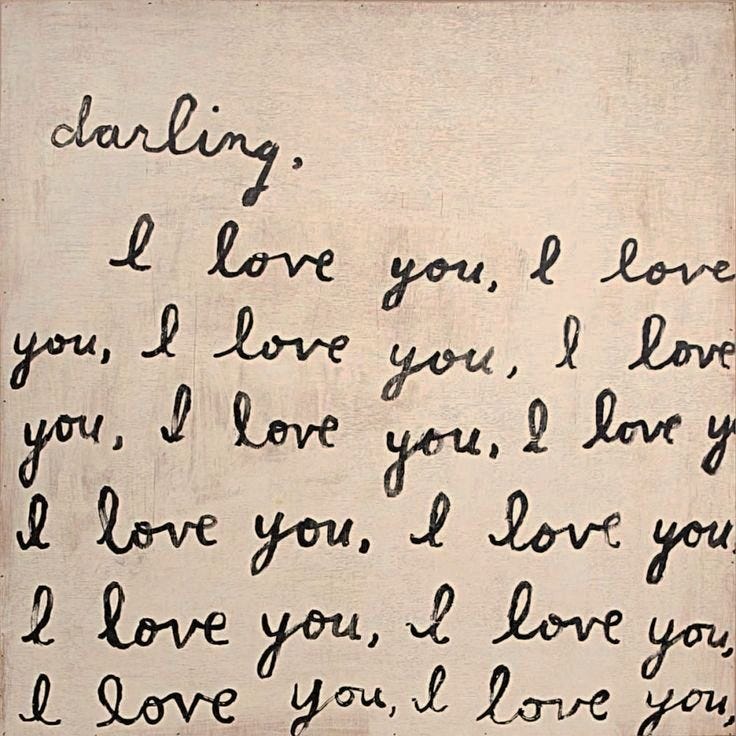
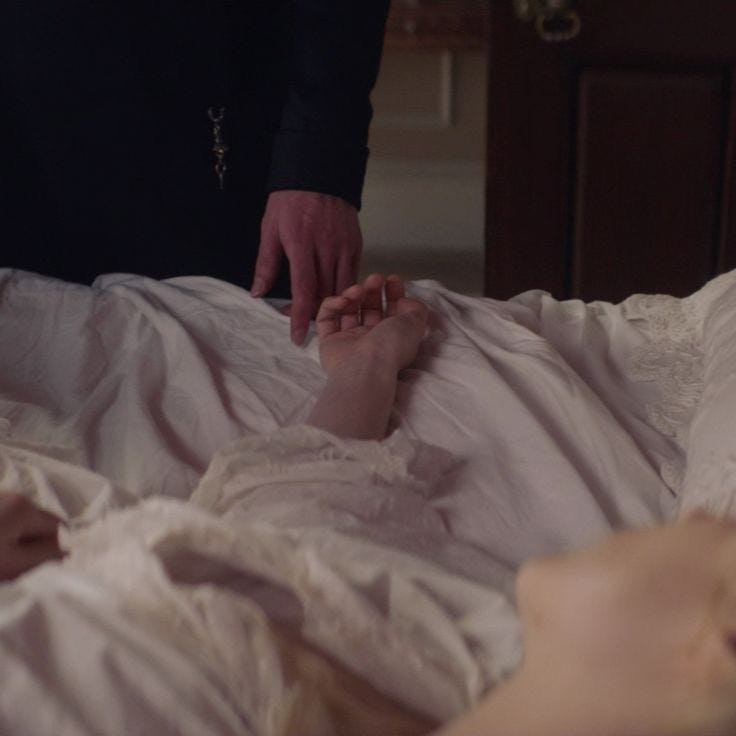
There are so many types of love. Depending on the flow of the story, these types can shift and evolve. That’s why, as writers, it’s our job to capture those transitions in a way that stirs something real in our readers. But here’s the thing, writing about love itself isn’t the hardest part. Writing its transition is. Especially, when we’re trying to capture kinds of love we’ve personally never experienced. There’s platonic love. There’s that innocent kind of childhood love. Then there’s the kind that only pretends to be love, something that’s intoxicating, but hollow. There’s also the realistic love, the kind that’s slow-burn, the one that grows through time and effort. And then, there’s the all-consuming kind. The one that devours everything in its path. The kind of love that seeps into every story, every song, every film. The kind of love that we all secretly long to feel. Even just once.
Choosing what kind of love your characters experience is crucial, especially when you’re writing in the romantic genre. We can’t, for example, write a childhood, innocent love and treat it with the same qualities as a platonic one. Because there's a fine, delicate line between the two. Our readers, would know. Understanding the difference is what makes your story resonate to your readers. The trick is to understand your character’s beginning and end. This is where your imagination breathes life into the page. Like the arc of a journey, you have to envision who they are at the first light of the story, and who they will become when the curtain finally closes. Usually, I’d ask myself two important questions before I’d start writing them, these are:
I’d jot all these down in my writing journal, along with the experiences I plan to give to my character to get them from point A of the story to point B. Like, for example, if I want the character to end up a villain, I’d make him/her go through all the necessary experiences for him/her to have the reason to be a villain. Give them the purpose, the motive, and the necessary journey for them to turn out the way they are in the end.
Doing this helps me visualize their growth. Making sure it fits within the story’s length and pacing, as I nitpick all the experiences that I could include in my story, in order to solidify the plot. It would make your readers understand and relate to the character more, see themselves in them. And thus, making it more memorable. It’s very important for your characters to evolve. To make them feel like real people going through all these real experiences, no matter what the genre you’re writing on. That’s how readers would connect with them. After all, a story is only as powerful as how real its characters feel. But that doesn’t mean you need to apply the same level of depths to every character. For your supporting characters, especially those that only appear briefly in your story, it’s perfectly fine to let some parts of their personality traits or backgrounds remain a mystery. After all, they’re only there for a specific moment or purpose, not the entirety of the journey, so they don’t always require the same detailed exploration as your leads. What’s important, however, is to maintain a clear connection between your main and supporting characters. This keeps your story focused and prevents it from drifting off course. If you find yourself fascinated by a particular supporting character, maybe they have a backstory that feels too interesting to ignore, but doesn’t actually serve your main plot, you can always give them their own, separate space. Many authors explore these side stories through bonus chapters, companion novellas or standalone shorts. A great example of this is Leigh Bardugo’s Six of Crows, which expands on the supporting cast, the gang known as the Crows, from her main bestselling novel, Shadow and Bone. And honestly? Many readers, myself included, feel that the spin-off outshined the original. But that’s a story for another day.
Including love in your stories, whether it be romantic, familial, platonic or found within unlikely connections, relies on one single truth: that every relationship should serve a purpose. Your main characters carry the weight of the narrative, but your supporting casts enriches it. Challenges it. They shape the emotional landscape your readers would be moving through. Though not every character needs a fully fleshed-out history, not every bond needs paragraphs after paragraphs of explanation either. What matters is your intention. When each relationship, major or minor, ties back into the heart of your story, the world becomes fuller. Your themes become sharper, and your readers become more deeply invested. So, my suggestion to you, fellow writers is this: explore the dynamics that matter the most to you. Let the right characters take up the space. And when a supporting character steals your heart? Go ahead, give them their own story. After all, some of the best tales are born from the shadows of the ones we write first. Sincerely, Cherie. Oh, and by the way, I’ve just recently published my new book on WebNovel. Feel free to check it out through the link below: The Whiffler is free today. But if you enjoyed this post, you can tell The Whiffler that their writing is valuable by pledging a future subscription. You won't be charged unless they enable payments.
|
Wednesday, 26 November 2025
Writing About Love, But It's Complicated.








Subscribe to:
Post Comments (Atom)
Re-Storying Autism Course 50% Off
Available Until Monday ͏ ͏ ͏ ͏ ͏ ͏ ͏ ͏ ͏ ͏ ͏ ͏ ͏ ͏ ͏ ͏ ...

-
Dear Reader, To read this week's post, click here: https://teachingtenets.wordpress.com/2025/07/02/aphorism-24-take-care-of-your-teach...
-
CALL FOR APPLICATIONS: AOM 2025 PDW ͏ ͏ ͏ ͏ ͏ ͏ ͏ ͏ ͏ ͏ ͏ ͏ ͏ ͏ ͏ ...


No comments:
Post a Comment