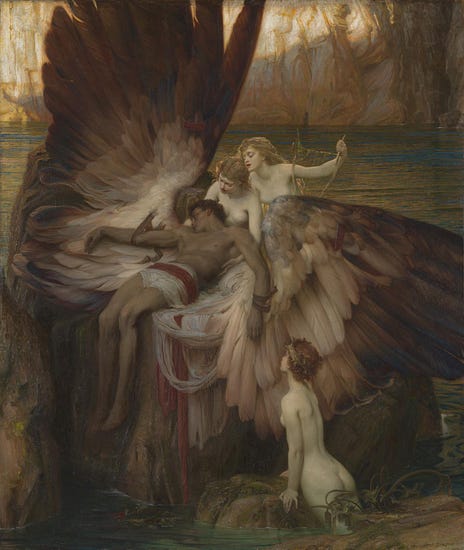
“Power resides where men believe it resides. It’s a trick. A shadow on the wall. And a very small man can cast a very large shadow.” — Lord Varys, Game of Thrones That line was the spark for this essay, fueled further by other personal circumstances quietly unfolding around me. It made me think of Icarus and the sun. Of how, even today, we remain susceptible to the same seductive pull of power. The myth may be ancient, but the pattern is still painfully current. Icarus did not fall simply because he could fly; he fell because he believed himself untouchable. Because he mistook elevation for invincibility. This is why history and mythology matter. They are not simply relics. They are mirrors. These stories do not merely repeat, they cycle. Like a wheel turning on its axis, they resurface in different eras, wearing different faces. We saw it in Icarus. We saw it again in conquerors who believed they had subdued the world. Men like Napoleon Bonaparte, who once dominated continental Europe, only to overextend his empire and watch it collapse beneath the weight of its own ambition. In the modern world, the stage has changed, but the pattern remains. We see it in men who equate wealth with divinity, mistaking influence for omnipotence. Figures like Elon Musk, whose technological ambitions verge on civilizational authority, framing projects such as colonizing Mars as the next chapter of human destiny. Power may not be inherently evil. But it is inherently intoxicating. And intoxication clouds judgment. There is nothing more seductive than power. Nothing more dangerous than believing it belongs to you.Lately, I have begun to realize that even the illusion of power can drive people to do reckless things. In the age of the internet, where information sits at our fingertips and influence can be manufactured with a single post, we are constantly handed the sensation of control. A carefully curated feed, a viral opinion, a surge of validation from strangers…all these create the impression that we possess authority simply because we are seen. And slowly, almost imperceptibly, that illusion turns into entitlement. From aesthetically polished reels on Instagram or TikTok, we are fed narratives of overnight success, effortless wealth and curated perfection. It becomes dangerously easy to internalize the idea that we are owed that kind of ascent. Owed recognition. Owed influence. Owed power. It resembles the mythology of the “chosen one”, the quiet conviction that success is not something to be built, but something destined. Promised. And once intoxicated, you begin to behave as though that power is already yours. you start treating others as if you are owed deference. Even before you have built anything of substance, you carry yourself as though you possess unquestionable authority. Speaking with certainty, acting without restraint, assuming credibility that has not yet been earned. That, in itself, is dangerous. Because somewhere along the way, you begin to lose sight of your character. The humility that grounds you. The discipline that shapes you. The awareness of your limitations. When the illusion of power replaces the work required to sustain it, what erodes first is not your influence, but your integrity. We have seen this dynamic play out before. Elizabeth Holmes, the founder of Theranos, spoke with the composed certainty of a medical revolutionary long before her technology had been proven. Investors, boards and the public deferred to the authority she projected. From the black turtlenecks, the lowered voice, the narrative of innovation. The performance of expertise preceded the validation of expertise. For a time, belief was enough to sustain the illusion. But belief is not infrastructure. And when scrutiny finally replaced admiration, the foundation gave way.
This is where Icarus becomes more than a myth.His fall did not begin when the wax touched the sun. It began much earlier, when exhilaration overpowered restraint. When the thrill of ascent drowned out the wisdom he had been given. The tragedy was not in the melting wings, it was in the quiet moment he decided the warning no longer applied to him. That is how character erodes. Not in dramatic collapse, but in small acts of disregard. In the belief that limits are for other people. In the subtle conviction that consequences are negotiable. The higher we rise, the easier it becomes to mistake momentum for invincibility. Whether it might be through influence, wealth, validation or perceived authority. And once humility leaves, the fall has already begun. Because gravity does not negotiate. The sun does not bend. And reality does not adjust itself to accommodate to our illusions of grandeur. Icarus did not fall because he flew. He fell because he believed he was exempt. And that belief, more than the height, was his undoing. Sincerely, Cherie. The Whiffler is free today. But if you enjoyed this post, you can tell The Whiffler that their writing is valuable by pledging a future subscription. You won't be charged unless they enable payments.
|
Thursday, 5 March 2026
Icarus, You're Flying Too Close to the Sun





Subscribe to:
Post Comments (Atom)
What I learned in my year as Academic Senate Chair
My 1-year term as Chair of Academic Senate is winding to a close. Phew. My obligations in this term end in two days. At that time, the new ...
-
Dear Reader, To read this week's post, click here: https://teachingtenets.wordpress.com/2025/07/02/aphorism-24-take-care-of-your-teach...
-
CALL FOR APPLICATIONS: AOM 2025 PDW ͏ ͏ ͏ ͏ ͏ ͏ ͏ ͏ ͏ ͏ ͏ ͏ ͏ ͏ ͏ ...


No comments:
Post a Comment