Why We Still Think About the Roman EmpireThe internet meme that hides a deeper truth about history, power, and why Rome never really disappeared.
A year ago, a trend swept across social media: women began asking the men in their lives how often they thought about the Roman Empire. Their answers varied from “every day”, “a few times a week,” to “more than you’d think”, sparked fascination, disbelief and eventually, a cultural meme. From there, the phrase evolved. “My Roman Empire” became shorthand for anything we revisit obsessively. An old relationship, a missed opportunity, a childhood memory, even a moment of triumph or humiliation that refuses to fade. It came to mean something we return to emotionally, again and again, as if the history of it were looping in our heads. Human history is crowded with empires.The Mesopotamian Empire, for instance, flourished long before Rome’s ascent. Often described by historians as the “cradle of civilization”, it witnessed the emergence of some of the world’s earliest cities, writing systems and centralized states.Under rulers such as Hammurabi in the eighteenth century BCE, Babylon produced one of the earliest surviving written legal codes in the world. The region is also associated with the legendary Hanging Gardens of Babylon, later considered among the Seven Wonders of the Ancient World, though their historical existence remains debated. For these reasons and more, many historians described periods of Mesopotamian civilization as the “Golden Age”, marked by advancements in astronomy, mathematics and urban planning. Then over at the east, there is the vast dynastic histories of Imperial China, particularly under the Han dynasty, leaving behind meticulous administrative records. Court eunuchs and scholar-officials documenting every political decisions, economic data, rituals, wars and daily governance with extraordinary detail. These archives form one of the richest, continuous historical records of any ancient civilization. So why does Rome dominate our collective imagination?
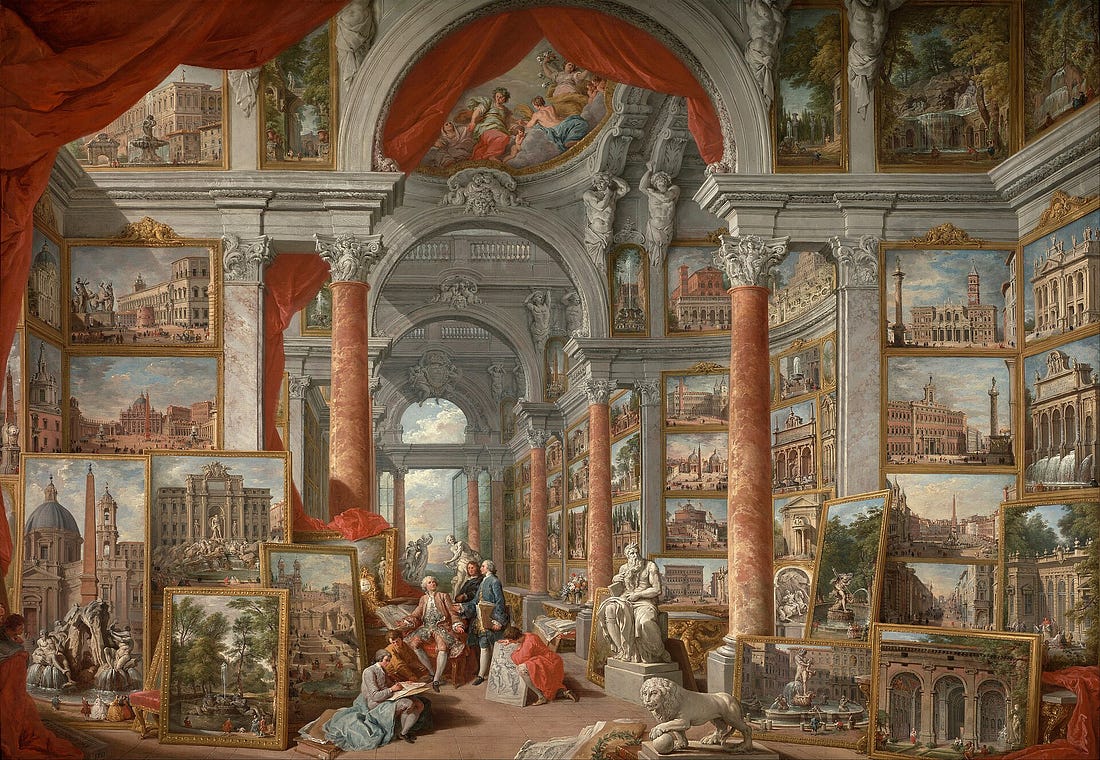
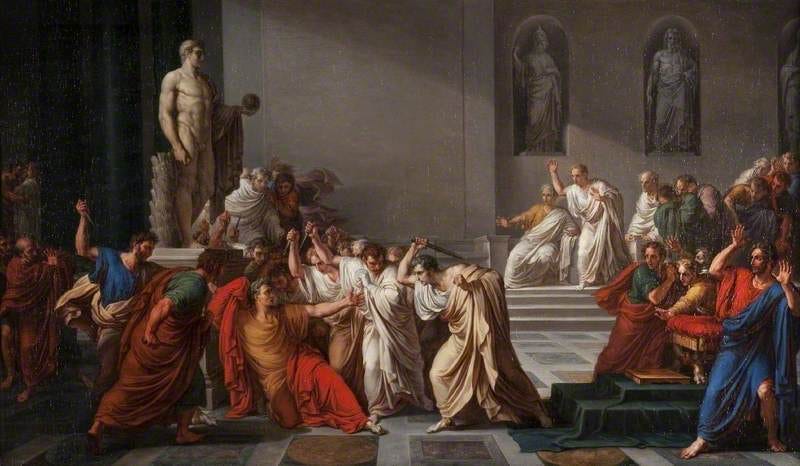
One explanation is that much of our modern political and legal framework was shaped by the legacy of the Roman Empire. The structures of governance we recognize today, from republican institutions to senates and codified legal systems, draw heavily from Roman precedents. Roman political thought, combined with the philosophical traditions of thinkers such as Aristotle and statesmen like Cicero, continues to influence the study of law, political theory and governance across the world to this day. Because so many of our institutions evolved from these foundations, Rome often feels less like a distant civilization and more like a predecessor to our own societies. The parallels can sometimes feel uncomfortably familiar. As historian Mary Beard observed in her article for The Guardian, the Romans “launched disastrous military expeditions to those parts of the world where we too have failed,” reminding us that the ambitions, the mistakes and contradictions of these ancient empires often mirror our own. However, not everyone is drawn to Rome because of its political philosophies or legal theories. Most people are not reading Cicero or studying the works of Aristotle. And yet, many of us, particularly men, still find ourselves looking back at the Roman Empire with a kind of fascination. Part of the reason lies in the spectacle of Roman power. Historian Tom Holland notes in an essay for Time, that Rome understood the theatrical power of empire. Its “display of might—especially when back up by color, clamor and overpowering architecture—can be stirring, even thrilling.” The empire expressed its authority not only through conquest, but through monumental architecture, grand public spaces and cities designed to impress. Even today, many of Europe’s great landmarks echo Roman architectural ideals. From domes and columns to triumphal arches, these forms reflect the enduring influence of Roman architecture. As the World History Encyclopedia noted, Roman architecture “immeasurably influence all following western architecture right up to the present day”, becoming a lasting symbol of stability and grandeur. With that being said, how are we supposed to forget the Roman Empire when its legacy surrounds us?Its influence reaches far beyond in history books. The foundations of many modern governments and legal systems still trace their origins to Rome, shaping the way societies are structured, even today. Its presence is also written into the world around us, not only through architecture but through the stories that have endured for centuries. Take the story of Julis Caesar, for example. His assassination by those he once trusted has become one of the most famous betrayals in history. According to the World History Encyclopedia and other historical accounts, Caesar was stabbed by a group of senators, including his close ally Marcus Junius Brutus, after they came to believe that he was becoming too powerful. Though few of us will ever face such dramatic endings, the underlying themes of ambition, loyalty and betrayal still feel strikingly familiar today.
The story will continue resonating with us because it reflects experiences that still shape our lives today, through: ambition, loyalty, betrayal and the fragile nature of power. In workplaces, friendships and politics, people still navigate alliances that shift and fracture. Leaders can only rise with the support of others, only to discover that trust can be conditional. And perhaps this is why Rome continues to captivate us. Its history is not just a record of an ancient empire, but a reflection of human nature itself. The ambitions, conflicts and betrayals that shaped Roman history are the same forces that continue to shape the world we live in today. We do not think about Rome simply because we are fascinated by its past. We think about it because, in many ways, we are still living in the shadow of it. The Whiffler is free today. But if you enjoyed this post, you can tell The Whiffler that their writing is valuable by pledging a future subscription. You won't be charged unless they enable payments.
|
Monday, 16 March 2026
Why We Still Think About the Roman Empire






Subscribe to:
Post Comments (Atom)

-
Dear Reader, To read this week's post, click here: https://teachingtenets.wordpress.com/2025/07/02/aphorism-24-take-care-of-your-teach...
-
CALL FOR APPLICATIONS: AOM 2025 PDW ͏ ͏ ͏ ͏ ͏ ͏ ͏ ͏ ͏ ͏ ͏ ͏ ͏ ͏ ͏ ...


No comments:
Post a Comment