
Fashion’s Endless Affair With the Past.From archival couture to rom-com heroines, why we can’t seem to stop looking backward.
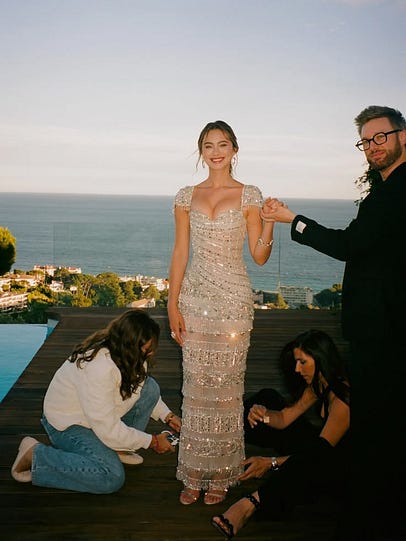
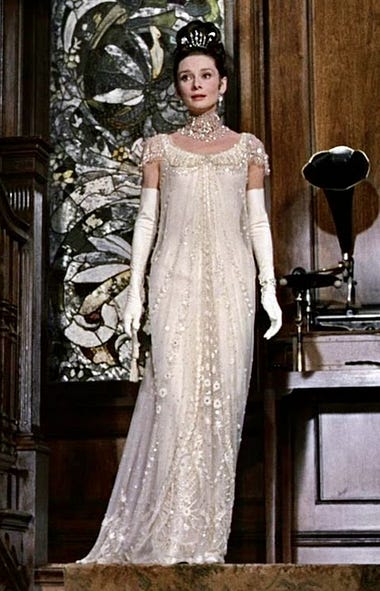
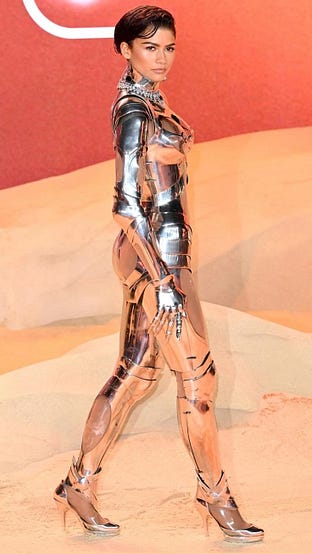
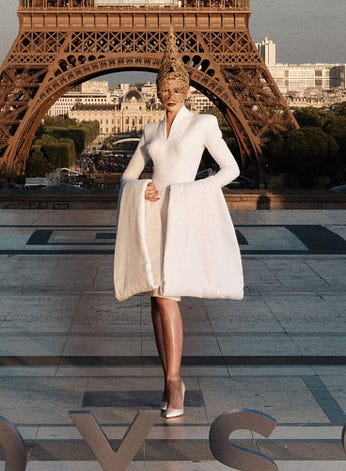
Isn’t it funny how fashion houses determine what the future looks like—setting trends, defining silhouettes, dictating what we’ll all supposedly be wearing next—only to draw much of their inspiration from what has already been worn? Already, we’ve been seeing more and more people turning to vintage pieces: clothes hunted down in vintage shops, discovered in secondhand stores, or passed down from one generation to another. And one of the greatest champions of vintage, archival fashion? Law Roach. Just look at what he dressed in his clients in, especially Zendaya. So many of these looks featuring beautiful vintage pieces that, somehow, still managed to look ahead of their time. People aren’t buying exclusively new clothes anymore. And even when they are buying new, it seems that the clothes they’re drawn to are often those that borrow heavily from the past. Take Aleen Sabbagh’s Spring/Summer 2026 collection, for example. The young Lebanese designer made her Paris debut with a collection filled with sculptural silhouettes, intricate embellishment and the kind of old-world glamour that felt surprisingly contemporary. One look worn by influencer Jade Distinguin was particularly reminiscent of Audrey Hepburn’s iconic wardrobe in My Fair Lady: with its romantic silhouette, dramatic sleeves and the sort of theatrical elegance that wouldn’t have looked out of place in Cecil Beaton’s world.
And perhaps that is the most interesting thing about the resurgence of vintage fashion. We aren’t necessarily trying to recreate the past exactly as it was. Instead, we’re taking pieces o fit—its silhouettes, its craftsmanship and its glamour—and translating them into something that feels relevant now. Fashion has always done this. What looks new on the runway is often a conversation with something that has already existed: a silhouette from the 1950s, a fabric from the 1970s, a detail from an old Hollywood costume. The difference is that, today, we’re becoming more increasingly aware of these references. We’re not just simply wearing the past, we’re actively looking for it. And why is that?According to a journal article published by Harvard Business School, consumers aren’t simply looking to purchase something new. Increasingly, they’re drawn to objects that feel ‘authentic’—pieces that carry a sense of history, nostalgia and individuality.
And perhaps that explains a part of our fascination with vintage fashion. In a world where everything seems to be moving faster, becoming newer and increasingly mass-produced, there is something comforting about owning a piece that has already existed before us. A vintage dress isn’t simply a dress. It has a history. Someone who wore it before you. It has survived changing trends, changing tastes, perhaps even changing generations. But authenticity isn’t the only thing that makes vintage fashion so appealing. In a world shaped by “clean girl” aesthetics, algorithm-driven trends and an endless stream of people wearing the same things, there’s something undeniably alluring about finding something that feels entirely your own. One of the most prominent examples—and one I can’t seem to stop coming back to—is Law Roach, who has built some of Zendaya’s most memorable looks around archival fashion. From Thierry Mugler’s iconic 1995 robot suit to Givenchy dress from 1999, these definitely aren’t pieces you can simply walk into a boutique and buy. They have to be found, tracked down, sourced from collectors and vintage dealers. In some cases, there may only be one.
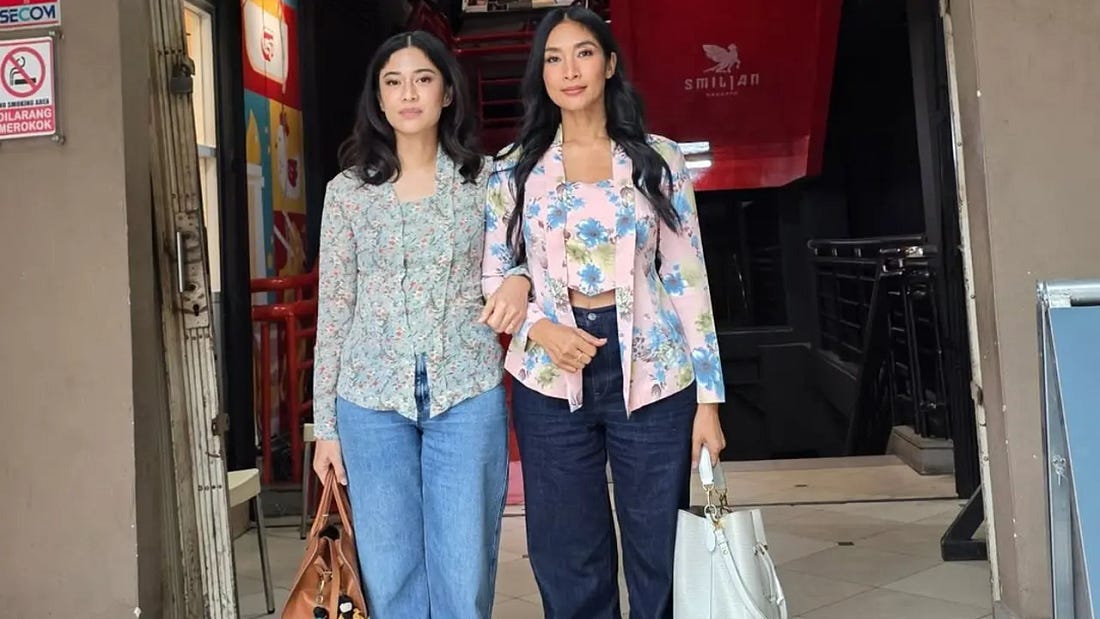
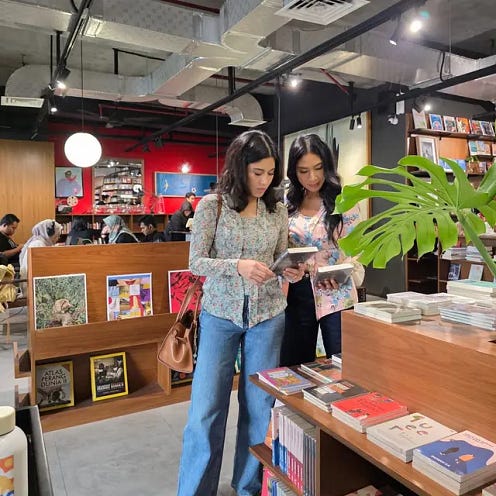
That is what makes vintage so exciting. You don’t simply purchase it, you discover it.There is a particular thrill in finding a dress tucked away in the corner of a vintage shop, or stumbling upon a designer piece that hasn’t been produced in decades. In a world where trends can be replicated within hours and sold to thousands of people, wearing something that cannot easily be replicated feels almost rebellious. Luxury has always sold us exclusivity. But vintage offers a different kind of exclusivity. You don’t necessarily have to be the richest person in the room to own something rare. You simply have to find it first. And that, in itself, is an act of rebellion. For what is art, without a little rebellion? Already, we’re seeing contemporary designers and fashion lovers alike looking to the past, recreating old silhouettes and reviving aesthetics that once belonged to another era. As an Indonesian, one of the most prominent examples of this has been the revival of the kebaya. Traditionally associated with formal occasions and ceremonies, the garment is increasingly being styled for everyday life, particularly by younger women. We’ve seen women pairing kebaya tops with jeans, skirts, sneakers and other modern pieces, taking something deeply rooted in Indonesian culture and making it feel completely at home in the modern city. Indonesian celebrities such as Dian Sastrowardoyo have embraced the combination, wearing a kebaya alongside her friend and actress, Happy Salma, with a straight-leg denim for a more casual look.
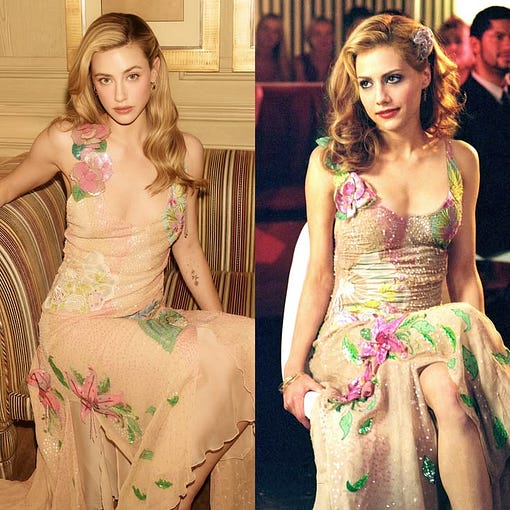
Of course, we can’t forget the revival of rom-com’s whimsicality.Lately, people have been taking inspiration from the outfits that defined romantic comedies of the late ‘90s and early 2000s—the era of slip dresses, playful florals, tiny handbags, pastel colors and dresses that somehow made going to a coffee shop look like the beginning of a love story. We just saw how strong that nostalgia had become during Lili Reinhart’s press tour for The Love Hypothesis. Working with her stylist, Ib Abdel Nasser, Reinhart created a wardrobe that paid homage to some of the most beloved fashion moments from romantic films of the ‘90s and early 2000s. And one of the most talked-about examples? Her recreation of Brittany Murphy’s iconic pink Rebecca Taylor dress from Uptown Girls. Her stylist had spent months tracking down pieces from films, eventually sourcing the original dress worn by Murphy, alongside other memorable pieces from the movie.
What’s fascinating is that none of these trends are entirely new. As Tatler Asia noted back in 2023, “rom-com core” was already causing a stir on social media among Gen-Z. And yet, to this day, we still continue to reach backward by borrowing from different cultures, decades and centuries, bringing fragments of them into the present. Perhaps that’s because we’re not always trying to recreate the past exactly as it was. Sometimes, we’re simply trying to recapture how it made us feel. That, perhaps, is the real charm of nostalgia in fashion. We aren’t always trying to dress like the past. We’re trying to dress like the way the past made us feel. The Whiffler is free today. But if you enjoyed this post, you can tell The Whiffler that their writing is valuable by pledging a future subscription. You won't be charged unless they enable payments.
|





No comments:
Post a Comment