
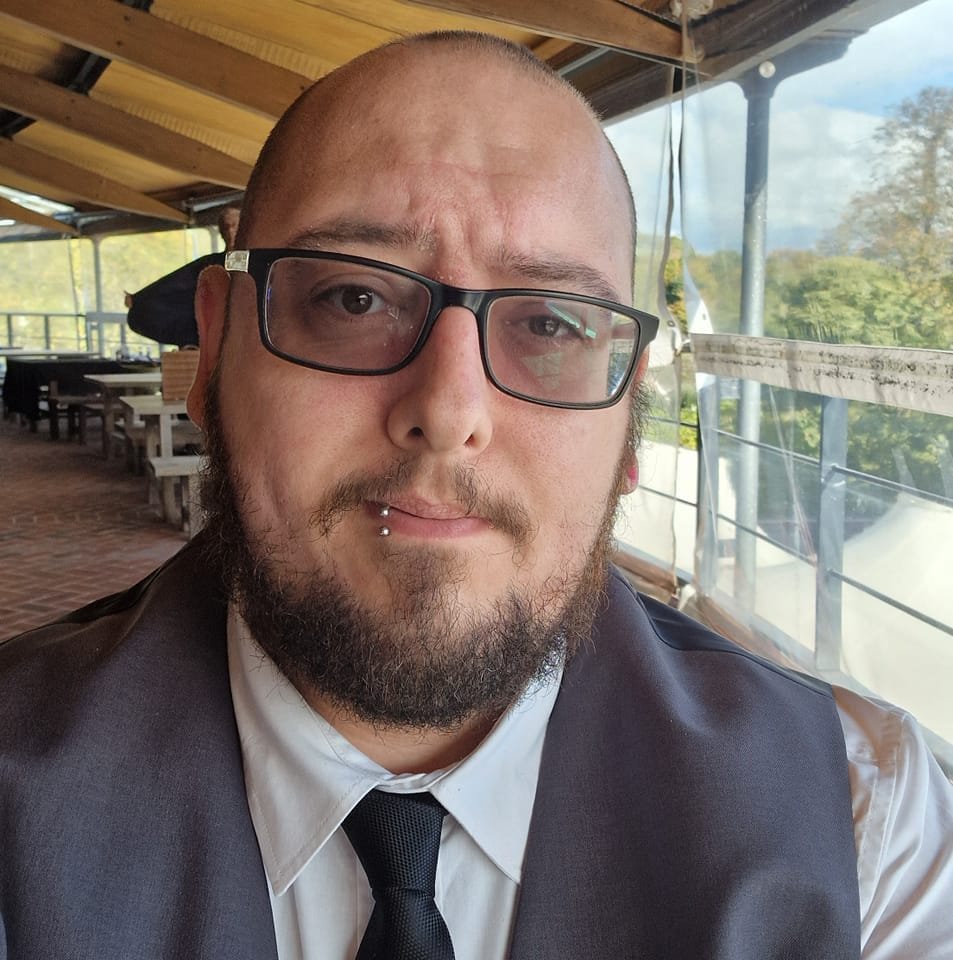
There are two observable questions made available when a person is struggling. The first gets asked constantly “What is wrong with this person?” It positions the problem inside a bodymind and produces diagnosis, correction, and a plan to modify somebody. Nearly every institution a Neurodivergent or Mad person encounters is built to ask it, and most of them do not know they are asking a question at all. They think they are simply looking. Almost never do they realise the systemic violence entangled in asking such a question. The second gets asked rarely “What is wrong with the world around them?” It locates the problem in an environment, an ecosystem, and produces changed conditions and accountable institutions. The second question is considerably harder, because it moves accountability off the person who is suffering and onto services, schools, workplaces, families and policy. It is precisely why it gets asked so seldom, because it refocuses the onus of change onto the powers that be. It deindividualises distress. This publication exists to ask it, repeatedly, across as many subjects as we can reach.The idea underneath itWe write from a concept we developed together, and the publication takes its name from the book we are slowly writing about it. Existential diversity is the diversity of how lives connect with, and impact, the reality and the world around them, unconfined by the physical boundaries of the bodymind or by the limits of a mortal existence. Put less formally: you are not contained. Your existence extends past your skin and past your lifespan, in four registers. Materially, as star-forged matter on loan, cycling water and air; Functionally, as a mind scaffolded by objects, habits, notations and other people; Causally, as environments you build and hand on; Semiotically, as signs you make that other people read after you have gone. The reach runs in both directions; we alter the world before we arrive in it, through the anticipation of our arrival; rooms are prepared, names are chosen, services are allocated or withheld. For a disabled or neurodivergent child, that anticipation is frequently where the harm begins. We also alter the world through our mortal existence within it, both during our time alive, and in the time that follows. Seemingly small acts today increase their impact exponentially as they ripple throughout time. Perhaps the most meaningful thing we can do in our lives is create and/or participate in community. A community is not a container that people are admitted into; it is an ecology that constitutes its members, and belonging is built rather than granted. Who is writingDavid Gray-Hammond is an Autistic, ADHD and Schizophrenic author, independent academic and CEO of NeuroHub Community. David's work sits at the intersection of complex mental health needs, community building, a critique of power systems. Helen Edgar is a late-identified Autistic and ADHD advocate, writer and consultant, and the founder of Autistic Realms. Her work is grounded in monotropism, attention, flow states and burnout, and in neuroqueer and posthumanist thought. Everything here is conceptualised jointly unless we say otherwise, and where something has a separate lineage we name it. The ecosystemic model of distress was developed by David with Helen, and Tanya Adkin; Ethodiversity reaches us through Ombre Tarragnat from Adolfo Cordero-Rivera. We will always tell you whose idea you are reading. What you will find hereNot a list of topics so much as one move applied to different subjects. We follow it wherever it goes, which means:
If exploring the fringes and creating understanding sounds like something you are interested in, then please do subscribe. We look forward to bringing you our first essay on Symphrenia, a non-pathological identity and neurocogntive style for those at the intersection of AuDHD and Psychotic experiences. Until then, stay weird.
|



No comments:
Post a Comment